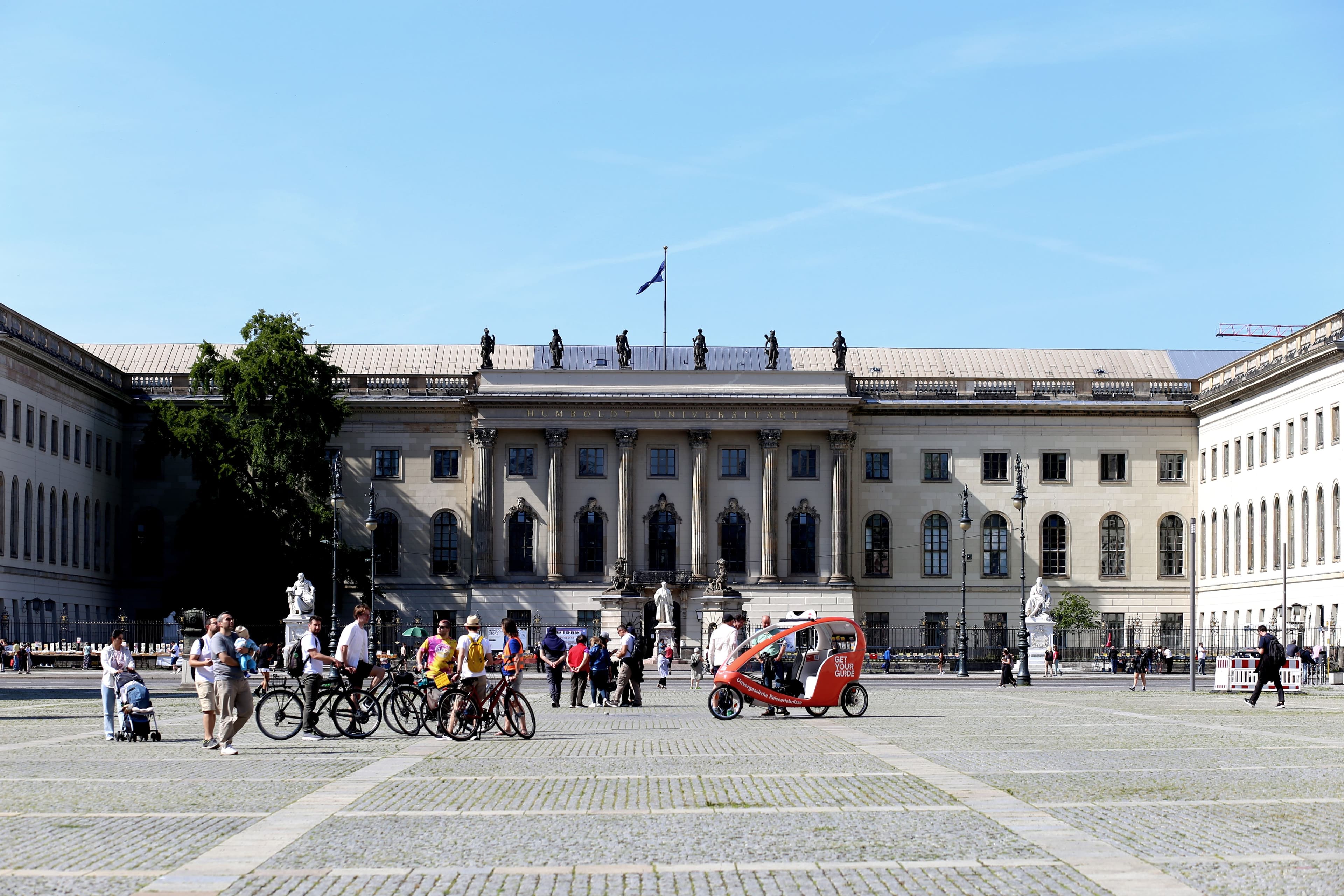
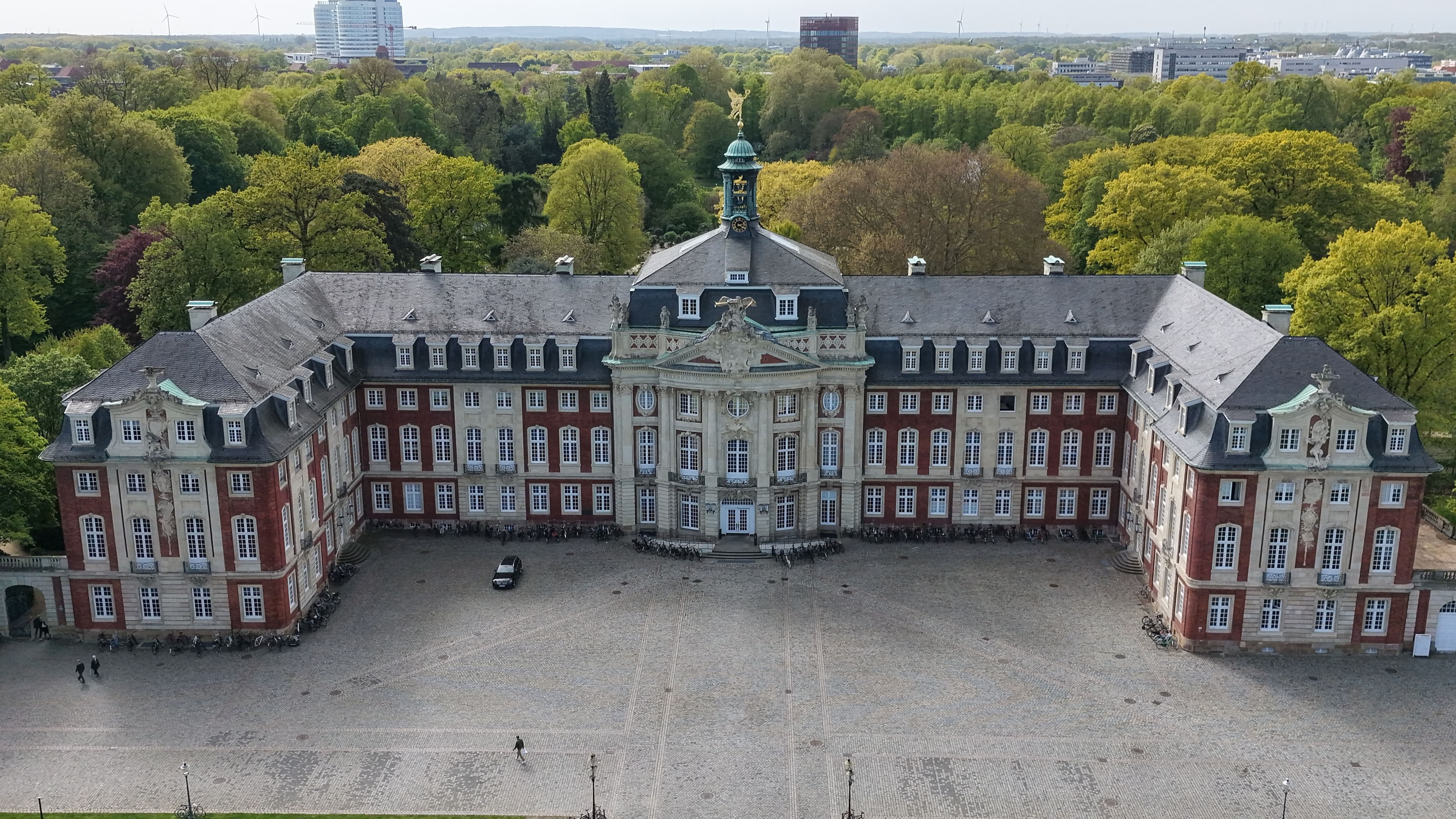
Technical University of Munich
Germany
Germany is one of Europe's leading destinations for international students, attracting more than 400,000 students from around the world. It is known for high-quality education, strong research institutions, affordable public universities, and excellent employment opportunities in technical and professional fields.


Germany is one of Europe's leading destinations for international students, attracting more than 400,000 learners from around the world. It is known for high-quality education, strong research institutions, affordable public universities and excellent employment opportunities.
The country has a population of about 84 million, uses the Euro, and runs its academic year across the winter semester from October to March and the summer semester from April to September. Berlin is the capital, while major student and industry hubs include Munich, Hamburg, Aachen and Heidelberg.
Germany offers more than 2,000 English-taught programs, especially at master's level. Public universities are often tuition-free regardless of nationality, although students still need to budget for semester contributions, living expenses, health insurance and visa preparation.
This page is structured to help you compare the destination properly: first check whether it fits your goals, then review institutions, requirements, costs, work options and longer-term opportunities.
Use it as a starting point for deciding whether the destination makes sense academically, financially and professionally before you begin applications.
Requirements vary by course and institution, but these are the essentials students most often prepare first.
The best choice usually comes down to recognition, teaching style, cost and career fit. This overview helps you compare the institutions that shape the student experience in Germany.
Most public universities charge no tuition fees
More than 2,000 English-taught programs
Strong economy with high demand for skilled graduates
Excellent for engineering, IT, healthcare and renewable energy
Post-study residence pathway for job search
A guide-style comparison table makes these destination pages feel more like dedicated study resources than generic marketing pages.
Different regions can change your budget, accommodation experience, work opportunities and the feel of campus life. These are some of the locations students ask about most.
Ask how universities, transport, living costs and part-time work compare in Berlin.
Ask how universities, transport, living costs and part-time work compare in Munich.
Compare university options, accommodation costs, transport access, part-time work prospects and the general student lifestyle in Hamburg.
Compare university options, accommodation costs, transport access, part-time work prospects and the general student lifestyle in Aachen.
Compare university options, accommodation costs, transport access, part-time work prospects and the general student lifestyle in Heidelberg.

This section follows the destination-guide style more closely: first understand the admission flow, then gather documents and prepare for the visa stage.
Academic transcripts, passport copy, financial proof and course-specific supporting documents.
Confirm entry requirements, organise documents early and prepare the visa stage with enough time for corrections.
Check how this applies to your chosen university, intake, course level and final visa preparation.
Organise your priorities, shortlist suitable options, and move through each stage with a clear view of deadlines, requirements and budget.
International students in Germany may work up to 140 full days or 280 half days per year. Some university assistant roles may have different limits, depending on the arrangement and local rules.
After graduation, international students can apply for an 18-month residence permit to search for employment related to their field of study, with possible routes into longer-term permits such as the EU Blue Card after securing qualified work.
Final rights and eligibility always depend on current immigration policy, course type and your specific visa conditions.
Most public universities charge no tuition fees, but students still pay semester contributions of about EUR 150 to 350 and must cover living costs. Private universities can cost around EUR 7,000 to 15,000 per year.
Kenyan students need a German national student visa. Common requirements include a valid passport, admission letter, academic certificates, health insurance, visa application form, passport photos, accommodation proof and financial proof.
Financial proof is commonly shown through a blocked account containing about EUR 11,904 for one year, roughly KSh 1.75M to 1.8M depending on exchange rates. Visa processing can take 6 to 12 weeks.
Bachelor's applicants usually need a secondary school certificate equivalent to the German Abitur, transcripts, passport, motivation letter, CV and language proof. Master's applicants usually need a related bachelor's degree, transcripts, CV, statement of purpose, references and English proof.
English-taught programs are available, especially at master's level, but German language skills still improve daily life, internships, part-time work and graduate job prospects.
DAAD scholarships are among the best-known funding options and may support students through stipends, insurance and travel support depending on the program.
βGermany gave me access to affordable education and strong engineering opportunities.β
Germany stands out for Kenyan students because it combines most public universities charge no tuition fees and more than 2,000 english-taught programs.
Typical requirements include Valid passport, University admission letter, Academic certificates and transcripts and any course-specific academic documents requested by the university.
Start with your preferred course, intake, budget and career goal. Then compare entry requirements, language expectations, application deadlines, funding proof and visa timelines before choosing your final shortlist.
Start by booking a consultation. We review your goals, shortlist suitable destinations, and guide you on the next steps in a clear sequence.
We help students study in the United Kingdom, Canada, Australia, Malta, USA, Spain, and New Zealand. Each destination offers unique advantages, and we'll help you choose the best fit for your goals and budget.
If this destination looks like a strong fit, the next move is narrowing your course options, confirming entry requirements and building a budget you can actually work with.

World-class education in the heart of Europe

Affordable education with excellent post-grad opportunities

Sunshine, quality education, and endless opportunities